Source Volkswagen Golf Brake Caliper for Racing, Daily, and Track
Find 30 options for the volkswagen golf brake caliper to compare specifications and pricing. Evaluate aluminum construction, piston configurations, and OE-standard quality for reliable braking performance across various vehicle applications; compare the available evidence and request quotations based on your requirements.
Key considerations
Products List


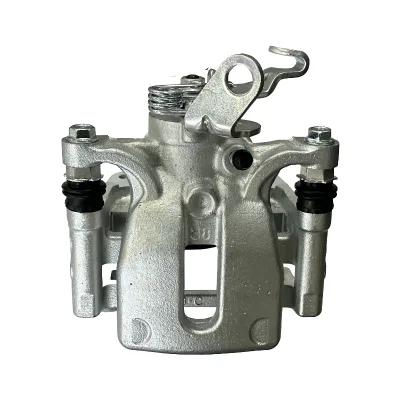


Comprehensive Sourcing Guide
Volkswagen Golf Brake Caliper Sourcing Guide
Sourcing brake calipers for the Volkswagen Golf requires identifying components that align with specific OEM engineering tolerances while accommodating aftermarket performance needs. The available market data indicates a strong presence of aluminum alloy calipers designed for both front and rear axle applications, often featuring multi-piston configurations ranging from four to eight pistons. Buyers must verify that the listed product model numbers, such as 440161 or 4775012430, correspond precisely to the vehicle generation and brake system architecture before initiating any procurement process.
Procurement decisions should also account for the diverse customization options available, including private labeling and neutral packaging to suit different distribution channels. While some listings highlight racing modifications and performance improvements, the core requirement remains the compatibility with the Golf's existing hydraulic system. Sourcing agents should prioritize suppliers who explicitly state their ability to meet OE standards, ensuring that the replacement parts maintain the original braking dynamics and safety margins expected by the vehicle manufacturer.
Product Scope and Observed Listing Signals
The observed product listings reveal a wide spectrum of brake caliper types, ranging from standard drum classifications to high-performance metallic racing calipers. Buyers will encounter variations in piston counts and specific model identifiers, suggesting that a single supplier may offer multiple SKUs for different Golf models or driving conditions. It is critical to distinguish between general brake system components and those specifically engineered for the Golf, as the application data confirms a focus on front and rear positions with distinct structural requirements for each.
Market signals indicate that customization is a standard offering, allowing buyers to request specific branding or packaging formats like neutral boxes or palletized bulk shipments. However, the presence of diverse certifications and varying minimum order quantities suggests that not all listed products are interchangeable. Buyers must carefully cross-reference the product attributes, such as the "Racing Modified" designation, against their actual fleet requirements to avoid acquiring components that exceed necessary performance specifications or fail to meet standard replacement criteria.
Technical Specifications to Verify
Technical verification begins with confirming the material composition, as the supplied data points to aluminum construction which offers a favorable strength-to-weight ratio for performance applications. Buyers must ensure that the forging and CNC cutting processes mentioned in the product descriptions are applied consistently to guarantee dimensional accuracy and structural integrity. The piston configuration, whether four, six, or eight pistons, must match the specific caliper bracket and rotor setup of the target Volkswagen Golf model to ensure proper hydraulic function and pad alignment.
Further scrutiny is required regarding the product model numbers and their correspondence to the vehicle's original equipment specifications. Listings citing models like 344804 or 440075 must be validated against the vehicle's service manual to confirm fitment. Additionally, the claimed performance advantages, such as a 50% improvement in brake performance or a 100,000-kilometer guarantee, should be treated as supplier observations rather than guaranteed metrics until independent testing or verified historical data supports these specific claims for the exact part number in question.
Compliance and Safety Documentation
Compliance verification is paramount when sourcing automotive braking components, as the market data lists a variety of certifications including DOT, ISO/TS, IATF, and E-MARK. Buyers should request current certification documents to confirm that the manufacturing facility adheres to the specific quality management systems required for the target export markets, such as North America or Western Europe. The presence of multiple certifications in a single listing does not automatically imply that every SKU meets all listed standards, so individual product validation is necessary.
Safety documentation must also include evidence of rigorous testing protocols, with listings frequently citing 100% testing or 100% quality checks. Procurement teams should demand detailed test reports that verify the caliper's ability to withstand thermal stress and hydraulic pressure under load. While some suppliers mention HACCP or GMP certifications, these are typically relevant to food or pharmaceutical industries and may indicate a broader quality culture rather than specific automotive compliance; therefore, buyers must prioritize automotive-specific standards like IATF 16949 for genuine safety assurance.
Cost Drivers and Commercial Terms
Commercial terms are heavily influenced by the minimum order quantity, which varies significantly across listings from 50 to 100 pieces per item. Buyers must calculate the total landed cost, factoring in the potential need to meet higher MOQs to achieve favorable unit pricing, especially when sourcing specialized racing calipers or custom-branded units. The observed price range is broad, reflecting differences in material quality, piston count, and the level of customization requested, requiring a clear budget definition before engaging with suppliers.
Lead times and delivery schedules present another critical cost driver, with some suppliers indicating a delivery window of 45 to 60 days. This extended timeline can impact inventory planning and cash flow, particularly for urgent replacement needs or just-in-time manufacturing schedules. Buyers should negotiate clear terms regarding production delays and shipping responsibilities, ensuring that the contract explicitly defines the start of the lead time and the conditions under which penalties or expedited shipping fees might apply.
Supplier Qualification and Quality Control
Supplier qualification should focus on the origin of the product, with the majority of listings indicating production in Shandong, China. Buyers must verify the manufacturing capabilities of these facilities, specifically their experience with aluminum forging and CNC machining processes that are essential for high-precision brake components. The presence of a "Private Label" or "Customized Label" option suggests that the supplier has the flexibility to adapt their production lines, but this flexibility must not compromise the consistency of the quality control processes.
Quality control verification requires a robust audit of the supplier's testing infrastructure, as the data highlights a commitment to 100% testing and OE standards. Buyers should request a sample batch for independent inspection to validate the claims regarding long service life and low replacement costs. It is essential to confirm that the quality assurance protocols are consistent across all production runs, ensuring that the "100% Tested" claim is backed by documented procedures rather than being a marketing assertion.
Long-Term Procurement Checks
Establishing a long-term procurement strategy involves monitoring the consistency of product performance and the reliability of the supply chain over time. Buyers should track the actual service life of the calipers in the field to validate the claimed 100,000-kilometer guarantee and ensure that the performance improvements hold up under real-world driving conditions. Regular feedback loops with the end-users of the vehicles will provide critical data on wear patterns and potential failure modes that may not be apparent during initial testing.
Continuous supplier evaluation is also necessary to maintain compliance with evolving international standards and market requirements. As the automotive industry shifts towards stricter environmental and safety regulations, buyers must ensure that their suppliers remain up-to-date with certifications like ISO and IATF. Periodic re-verification of the supplier's location, production capacity, and quality management systems will help mitigate risks associated with supply chain disruptions and ensure a steady flow of high-quality brake calipers for the Volkswagen Golf fleet.
FAQs
What certifications do these brake calipers hold?
These brake calipers hold DOT, ISO/TS, IATF-ISO, ECE, GSV, GMP, HACCP, and FSC certifications. They also meet IATF16949 and ISO 9001 standards. Some listings include E-MARK certification. These credentials ensure compliance with international quality and safety requirements for automotive parts manufacturing and distribution.
What is the minimum order quantity for these calipers?
The minimum order quantity varies by supplier, typically ranging from 50 to 100 pieces per item. Some sources specify 50 sets as the baseline. Buyers should verify the exact MOQ with the specific manufacturer, as requirements depend on customization needs and packaging preferences for the brake caliper order.
Can these calipers be customized with private labels?
Yes, customization is available for these brake calipers. Buyers can request private labels or customized branding on the products. The manufacturers support tailored packaging options, including neutral boxes, color boxes, or pallets. This flexibility allows businesses to brand the calipers according to their specific market requirements and identity.
What material are these brake calipers made from?
These brake calipers are primarily made from aluminum. The manufacturing process involves forging and CNC cutting to ensure precision and durability. The aluminum construction helps reduce weight while maintaining structural integrity. This material choice supports high-performance applications, including racing and modified brake systems for various vehicle models.
What is the typical delivery time for these calipers?
The typical delivery time is 45 to 60 days. This lead time applies to standard production runs for brake calipers. Buyers should account for this duration when planning inventory. Expedited options may vary by supplier. The timeline ensures proper quality control, including 100% testing, before the products are shipped from the origin location.
Which markets do these brake calipers serve?
These brake calipers serve a wide range of global markets. The main destinations include South America, North America, Eastern Europe, Southeast Asia, Africa, Western Europe, and Oceania. They are also available for domestic markets and Central America. This broad distribution network supports diverse automotive aftermarket demands across different regions worldwide.